Case studies
The Findings, One at a Time
Per-finding deep dives. One striking finding from the corpus per page, with the passage, the source, and the biographical context.
Each case study takes a verifiable finding from the data and tells the story around it. The catalogue can locate the passages; these pages explain why each one matters.
Core case studies
Passage-level Shakespeare engagements
Specific verbatim quotations, named references, and the one substantive absence. Each case study is grounded in catalogue entries the data can name and the source documents anyone can verify.
John Adams · October–December 1758
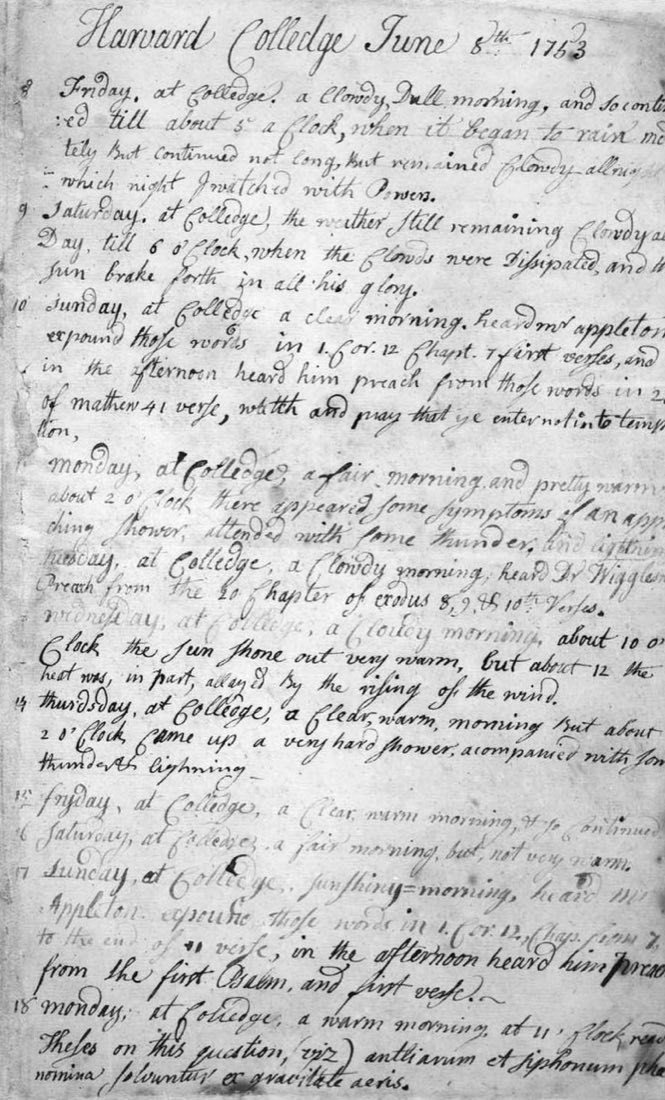
The 1758 Macbeth Study
One diary entry, sixteen verbatim Macbeth quotations, the 23-year-old Adams working through the play in real time. The densest single reading event in the entire six-Founder corpus.
Read →
John Adams · 1776 – 1814
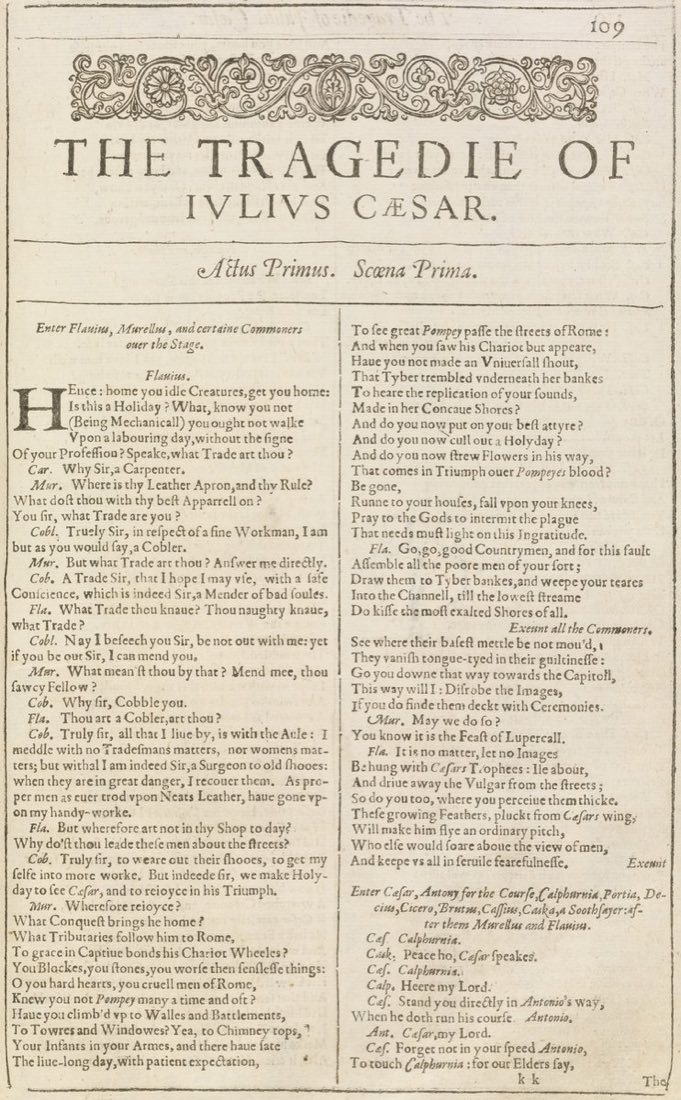
There Is a Tide
Adams quotes Brutus's tide speech five times across thirty-eight years, in five different moods.
Read →
John Adams · 1765 – 1818
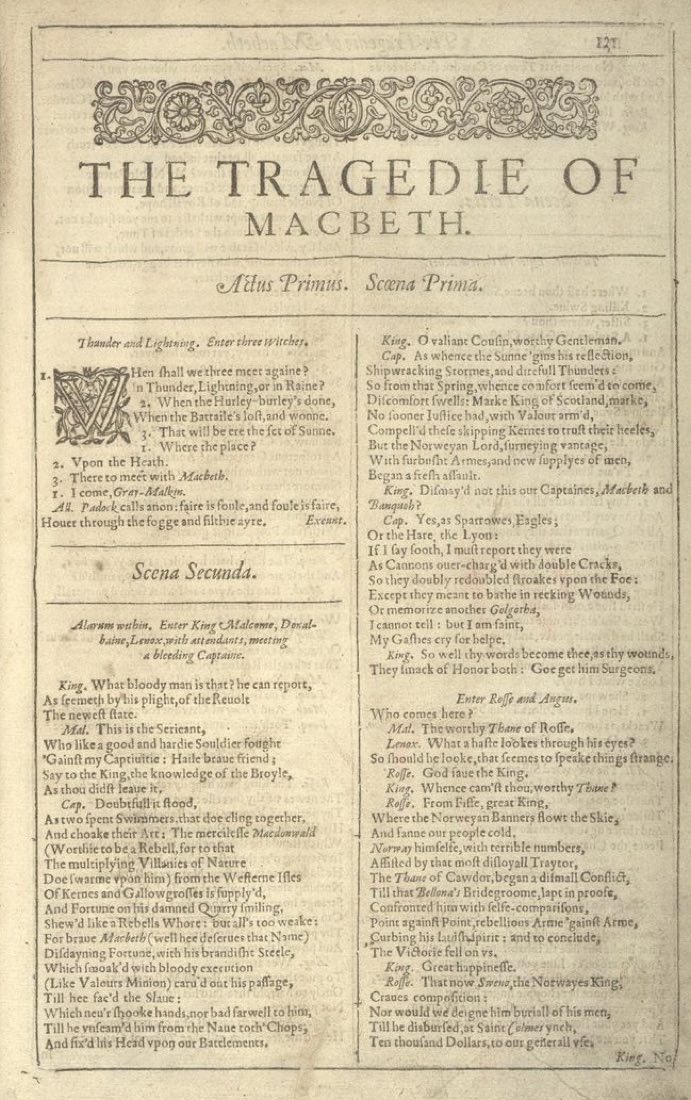
Lady Macbeth and Herod
Adams reaches for the same Lady Macbeth speech four times across fifty-three years, pairing it with biblical Herod in 1782 to figure England's war and, in 1818, making it the figure of revolutionary consciousness itself.
Read →
John Adams · 22 February 1822
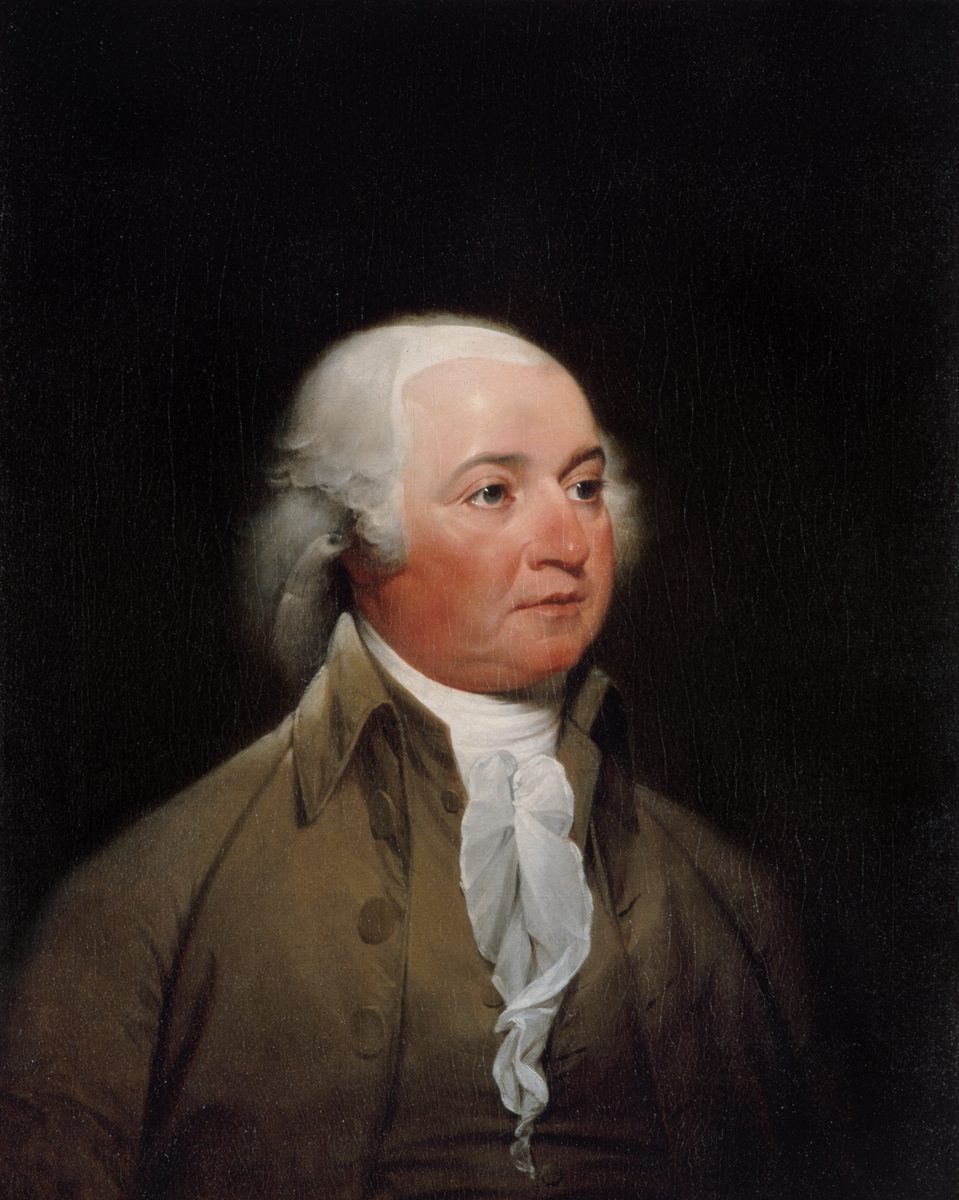
Cry Havoc, 1822
Adams at eighty-six writes to his grandson and reaches for Antony's line from Julius Caesar to indict the political theology of his long-dead friend Benjamin Franklin. The end of the Adams citational arc.
Read →
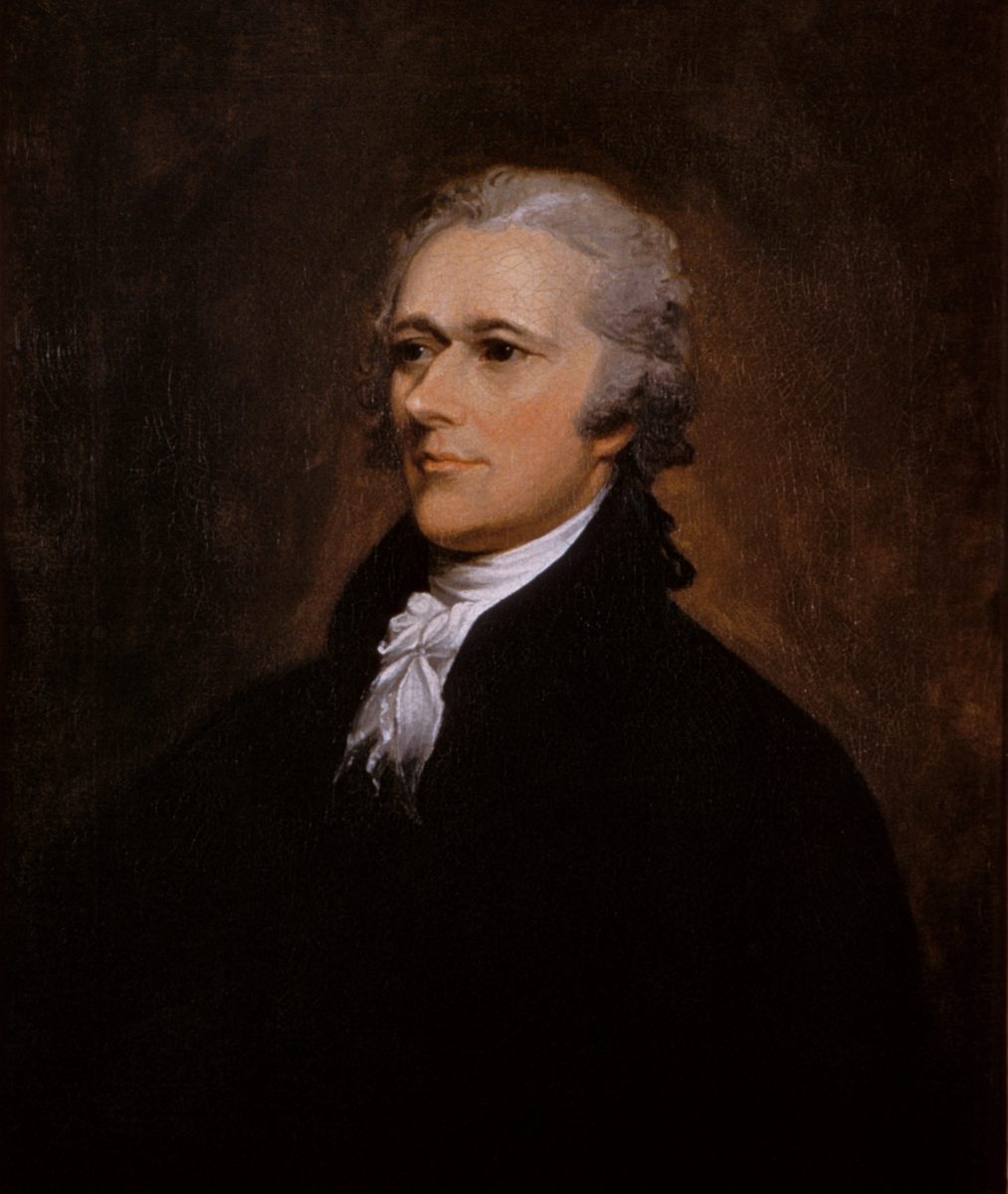
Alexander Hamilton · 1769 – 1804
The Hamilton Silence
2.21 million words across 35 years. Zero named Shakespeare references at HIGH/MEDIUM tier. The absence is the project's third substantive finding.
Read →
Stylistic and method notes
Register, common-stock English, and methodological pieces
Cases where the Shakespeare attribution is genuinely harder to pin down: phrases that had become common eighteenth-century English by the date in question, early-modern dramatic register that Shakespeare shares with his contemporaries, and method-level contrasts that illuminate how the corpora differ in genre. Read these as register notes rather than as direct evidence of Shakespeare inheritance.
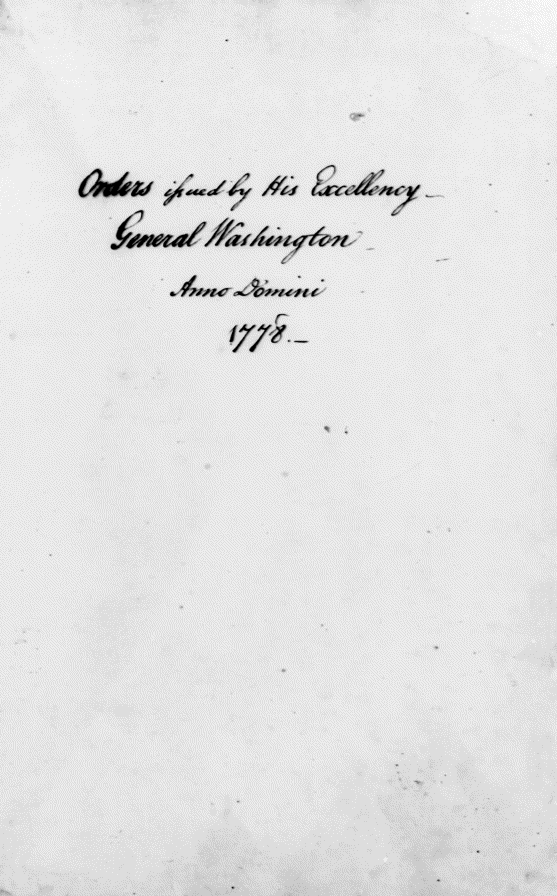
George Washington · 1778 – 1798
Band of Brothers at Valley Forge
Washington's 6 April 1778 General Orders paraphrase the St. Crispin's Day speech. By 1778 the phrase had become common-stock military English; Shakespeare popularised it, and the corpus can't isolate the path. Read as register, not pure citation.
Read →
John Adams · 1756 – 1788
Methinks I Hear You
Adams uses the same Shakespeare-adjacent rhetorical construction four times across thirty-two years. The locution is early-modern dramatic register, not Shakespeare-owned; this case study reads it as a habit Adams kept rather than a quotation he made.
Read →
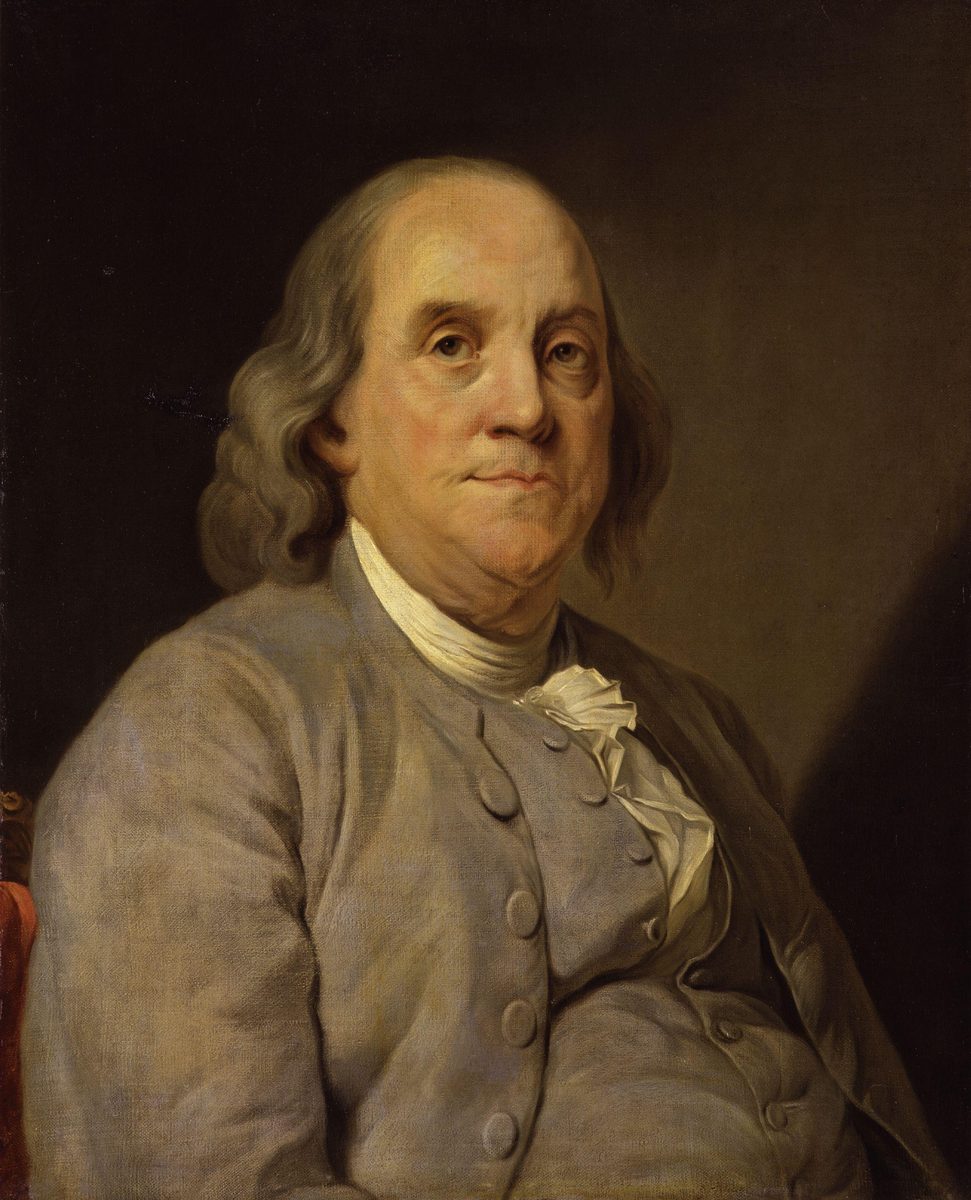
Benjamin Franklin · 1722 – 1778
'Tis: Franklin's Signature
Franklin uses the older contraction at the highest per-million rate of any Founder, from his Silence Dogood essays at sixteen onward. A statistical register-level finding rather than a Shakespeare quotation.
Read →
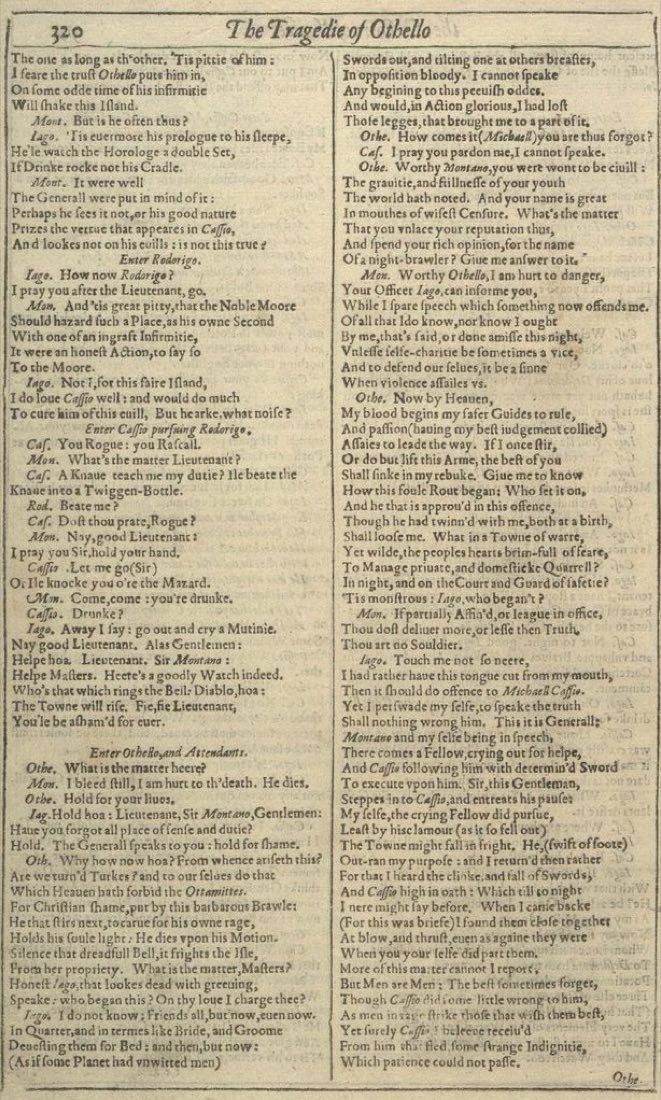
All Founders + Shakespeare · Method note
The Honour Test
When the same vocabulary item appears in both corpora at high rates, the surrounding words diverge sharply. Mostly a genre/register contrast (drama vs epistolary prose) more than evidence of Shakespeare inheritance.
Read →